
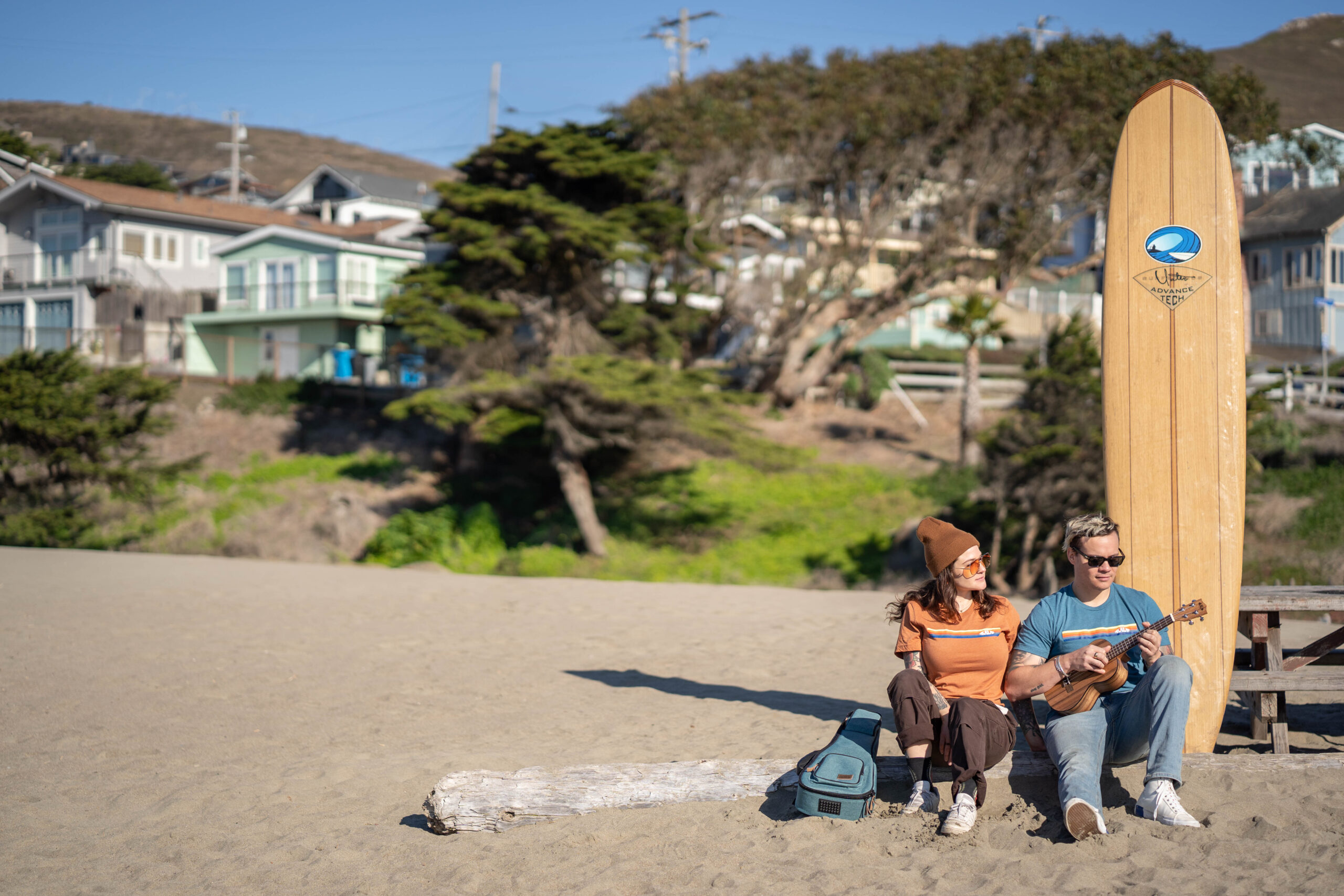
There is a moment most adults know well. You hear a song, or watch someone play, and something quiet stirs. I always wanted to do that. Then the familiar voice follows: It’s too late now. I’m too old. I’m just not musical. If that sounds like you, this is for you. Learning an instrument as an adult is not only possible; it turns out to be genuinely rewarding in ways that have nothing to do with talent or age. The only thing standing between you and playing a song you love is the decision to start.
So here is the honest case for why it is never too late to learn music, and exactly how to make it work around a busy adult life.
What Science Says About Adult Brains and Music
The idea that learning new physical skills is only for children is one of the most persistent myths in music education. Research on learning suggests that the adult brain retains a remarkable ability to form new connections and build new skills throughout life. This is not a polite consolation; it is simply how the brain works. Physical coordination, muscle memory, and pattern recognition all continue to develop with practice, regardless of age.
What does change with age is the speed of early acquisition, not the ceiling. Many adult learners find that the first few weeks feel slower than they expected. That is normal. It is not a signal that learning has stopped; it is just the brain doing its work at its own pace. Players often notice that once a chord shape or a strum pattern settles in, it stays. The physical memory is durable in a way that makes all the early effort worthwhile.
The other thing worth knowing: ten to twenty minutes of focused playing is enough to enter a genuinely absorbed state, what many people call “flow.” Your attention is fully on the strings, the chord, the rhythm. There is simply no room left for the day’s worries. That is not a side effect of music. That is music doing exactly what it is supposed to do.
The Real Advantages Adult Learners Bring to Music
Here is something that rarely gets said: adults are actually well-suited to learning an instrument. Not despite their age, but because of it.
Children learn through repetition and play, which is wonderful, but they rarely understand why they are practising something. Adults do. When a teacher explains that slow chord transitions build the muscle memory needed for smooth playing, an adult learner gets it immediately and adjusts accordingly. That self-awareness shortens the learning curve in ways that raw youth cannot.
Adults also bring something children almost never have: a deep emotional connection to specific songs. You are not learning abstract exercises; you are working toward a track that has meant something to you for years. That emotional pull keeps you coming back on the evenings when motivation is thin. Many people find that practising a song they love feels less like work and more like spending time with an old friend.
The honest weak spot for most adult learners is impatience, not ability. The expectation that progress should be faster than it is can feel discouraging. But recognising that tendency is half the battle. Adults who give themselves permission to be imperfect, to play a chord that buzzes a little, to miss a transition and keep going, tend to progress steadily and enjoy the process far more than those chasing perfection from day one.
Choosing the Right Instrument for a Late Start
The instrument you choose in the first weeks matters more than most people realise, not because some instruments are “better,” but because the right choice keeps you playing long enough to fall in love with it.
For adult beginners, a few things make a genuine difference. Physical accessibility is one: an instrument that is comfortable to hold, easy to tune, and quick to produce a recognisable sound is one you will actually pick up. Frustration in the first session is the most common reason people put an instrument down and never return.
The ukulele consistently earns its reputation as one of the friendliest starting points for adult learners. The ukulele’s accessibility for beginners comes down to a few simple facts: four nylon strings that are gentle on fingertips, a small body that is easy to hold, and a C chord that requires exactly one finger. You can disprove the “I’m not musical” belief in your very first session. That early win matters enormously.
The “not musical” belief, by the way, almost always traces back to a single moment: a teacher’s offhand comment, a failed school audition, a sibling who seemed to pick things up faster. Musicality is not a fixed trait you either have or do not. It is built, chord by chord, through practice. The instrument that lets you build it fastest, without pain, without expensive lessons, without a steep early wall, is the one that will stick.
How to Build a Practice Habit That Actually Sticks
Physical skills settle in between sessions, not during them. That single insight changes everything about how to approach practice as an adult. Ten minutes every day is genuinely more effective than an hour on Saturday. The daily repetition gives the brain time to consolidate what it has learned, so you come back the next day and find the chord shape slightly easier, the transition slightly smoother.
The good news for busy people: ten minutes is achievable almost every day. It does not require a dedicated music room or a cleared schedule. It requires a ukulele within reach and the decision to pick it up. Many players find it helps to attach practice to something already fixed in the day: after morning coffee, before dinner, while the kettle boils. Habit researchers call this “habit stacking,” and it works because the existing routine carries the new one.
Songs beat drills every time for keeping the habit alive. A technical exercise has no emotional pull. A song you already love does. That is why the approach of learning through real songs works so well for adult beginners: you are always practising toward something that means something. And finishing a song, playing it all the way through from beginning to end, delivers a specific kind of satisfaction that is genuinely rare in adult life. Most things we do never feel finished. A song does.
A structured daily practice routine removes the guesswork from those ten minutes. When you sit down and already know what you are working on, the session starts instead of stalling. The Kala App’s Learning Path, designed by real ukulele teachers, handles that structure for you: short daily sessions, clear next steps, and progress tracking that makes momentum visible rather than something you have to take on faith.
The fastest route to everything in this article is playing a real song this week. Not running through scales, not watching videos, but actually playing something you love, all the way through, even if it is rough around the edges. Start with the Kala App and let the Learning Path take you there. You have got this. Uke on.