
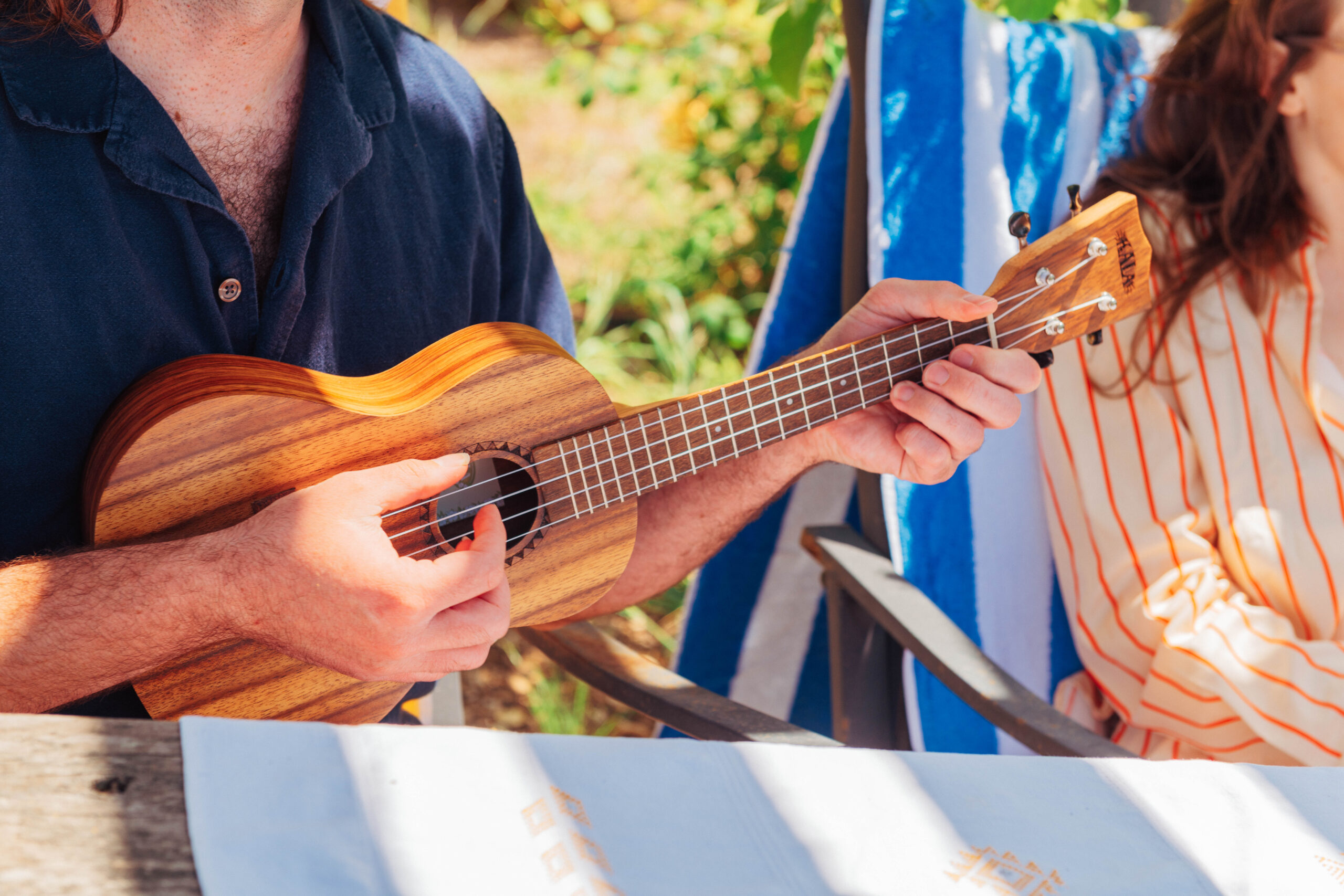
There is a version of this story that almost everyone knows. You spot a ukulele in a shop window, or a friend plays one at a gathering, and something stirs. You think: I’d love to do that. Then life moves on, and the thought gets filed somewhere between “learn Spanish” and “start running.” For a lot of adults, that thought stays filed for years. But in 2026, something interesting is happening: more people than ever are actually picking the ukulele up. Not dreaming about it. Actually doing it. And what they’re finding tends to surprise them.
This post is for anyone who has wondered whether it’s too late, whether they’re musical enough, or whether learning ukulele as an adult is genuinely worth it. The answer, from the people who’ve done it, is a pretty enthusiastic yes. Here’s what they say.
What Finally Made Adults Pick Up the Ukulele
For most adult ukulele beginners, there isn’t one dramatic moment. It’s more like a slow accumulation of small nudges until something tips the balance. A lot of people describe a version of the same story: they’d been curious for years, kept talking themselves out of it, and then one day just decided to stop waiting for the “right time.”
The reasons that finally pushed them over the edge tend to cluster around a few themes. Some wanted a creative outlet that was genuinely theirs, not a hobby shared with a partner or picked up for the kids. Others had hit a quiet patch in life and wanted something that felt like forward motion. A few were simply tired of telling themselves they weren’t musical. The ukulele kept coming up because it looked approachable. Small, affordable, and not intimidating in the way a piano or guitar can feel.
One thing that comes up repeatedly among adults learning ukulele later in life is the appeal of an instrument that doesn’t demand years of groundwork before it feels rewarding. The C chord is one finger. A lot of people describe playing their first real chord within the first ten minutes and feeling genuinely startled that it worked. That moment is often what converts a curious person into an actual player.
Honest Surprises: What Adult Learners Didn’t Expect
Adults starting ukulele tend to arrive with a set of expectations, and most of those expectations turn out to be wrong in the best possible way.
The biggest surprise for many is how quickly a song becomes playable. There’s a widespread assumption that learning an instrument means months of exercises before you get anywhere near actual music. On ukulele, that gap is much shorter. Many adult beginners find themselves playing through a recognisable song within the first week, which changes the whole feeling of the process. It stops feeling like homework and starts feeling like something you actually want to do.
The second surprise is how well adults actually learn. The belief that adults can’t pick up new physical skills the way children can is mostly a myth. Adults bring real advantages: focus, motivation, and an emotional connection to the songs they want to play. The usual sticking point isn’t ability. It’s impatience. Adults expect to be competent faster than the skill allows, and when they’re not, they can mistake that frustration for a sign that they’re “not musical.” They’re not. They’re just learning.
The third surprise, and perhaps the most personal, is what playing feels like. Many people describe a kind of absorbed focus during practice, where the usual mental noise quiets down. When you’re working out a chord change, there isn’t much room left for whatever was bothering you earlier. Players often notice this effect even in short sessions. Ten minutes with a ukulele can feel more restorative than an hour of scrolling, and that’s not something most people anticipate when they first pick one up.
How Adult Learners Stay Consistent and Avoid Quitting
Consistency is where most adult beginners struggle, and most of them know it before they even start. Life is full. Energy is finite. The ukulele can very easily become the thing that lives in the corner of the room.
The players who stick with it tend to share a few habits. The most common one is keeping sessions short on purpose. Ten to fifteen minutes a day, most days, beats a two-hour session on a Sunday by a significant margin. Physical skills settle in between practice sessions, so the frequency matters more than the duration. Short daily practice also removes the “I don’t have time” excuse, which is the most common reason adults give for drifting away.
Another pattern that separates the players who stay from the ones who quit is having something specific to work toward. Not “get better at ukulele” but “play this song all the way through by the end of the month.” A concrete target changes how practice feels. Instead of going through the motions, you’re working toward something with a finish line. That matters more than most people expect, because much of adult life never quite feels finished. A song has a beginning, a middle, and an end. Playing one all the way through is a rare, complete win.
Structured guidance helps too. Adults who try to figure everything out from random YouTube videos often hit a wall because the content isn’t sequenced. A structured learning path removes the decision fatigue of wondering what to work on next, which is one less reason to put the ukulele down. The Kala App’s Learning Path, designed by UkuLenny and Kala’s teaching team, is built specifically for this. It takes beginners through the foundations in an order that makes sense, so progress feels visible rather than accidental.
Songs That Kept Adult Players Coming Back
If there’s one thing that separates the players who stick with it from the ones who drift away, it’s songs. Not exercises. Not drills. Actual songs that mean something to them.
A song you already love carries weight that a technical exercise never can. It has memories attached to it. It connects to a specific time, a person, a feeling. When you’re working on a song like that, you’re not just practising chord changes. You’re working toward something that actually matters to you, and that emotional pull is what keeps people coming back when practice gets a little hard.
Adult players often talk about the moment they played a favourite song all the way through for the first time. Not perfectly. Not smoothly. But all the way through, beginning to end, recognisable. That moment lands differently than finishing a lesson or nailing a technique. It feels like proof. Proof that they can do this. Proof that the “not musical” story they’d been telling themselves wasn’t true.
The practical side of this is worth naming: easy songs to sing and play are the ones that build that proof fastest. Starting with songs that use the chords you already know, rather than songs that demand chords you haven’t learned yet, keeps the experience rewarding rather than frustrating. The Kala App’s song library lets you filter by the chords you actually know, so you can always find something playable right now. With 2,000+ songs and adjustable backing tracks, there’s almost always a song that fits where you are today.
The fastest route to all of this is playing a real song this week. Not next month, not once you feel “ready.” This week. Premium unlocks the full song library, unlimited step-by-step lessons, and daily practice sessions with progress tracking, so the momentum stays visible. Start your first session today and find out what your first song feels like. Uke on.